
Boots on the Ground | PigTalks
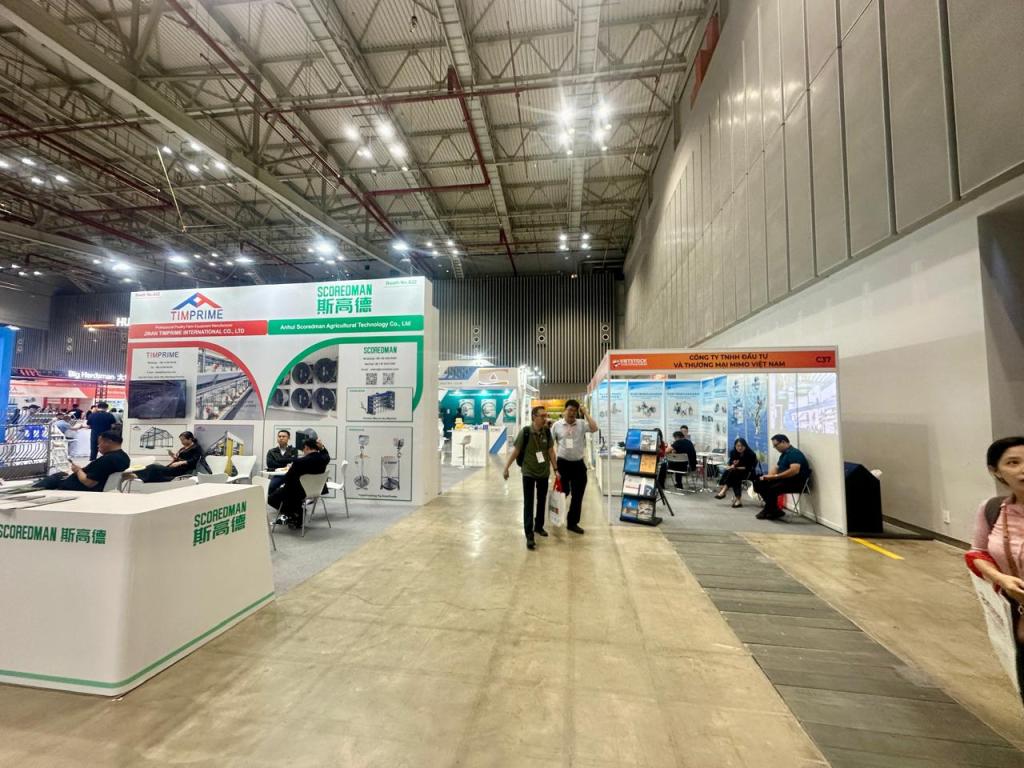
We went to VietStock on its second day, normally one of the busiest days of a trade exhibition. But this time, it was surprisingly quiet.
The exhibition was smaller than we expected, and the aisles were hardly crowded.
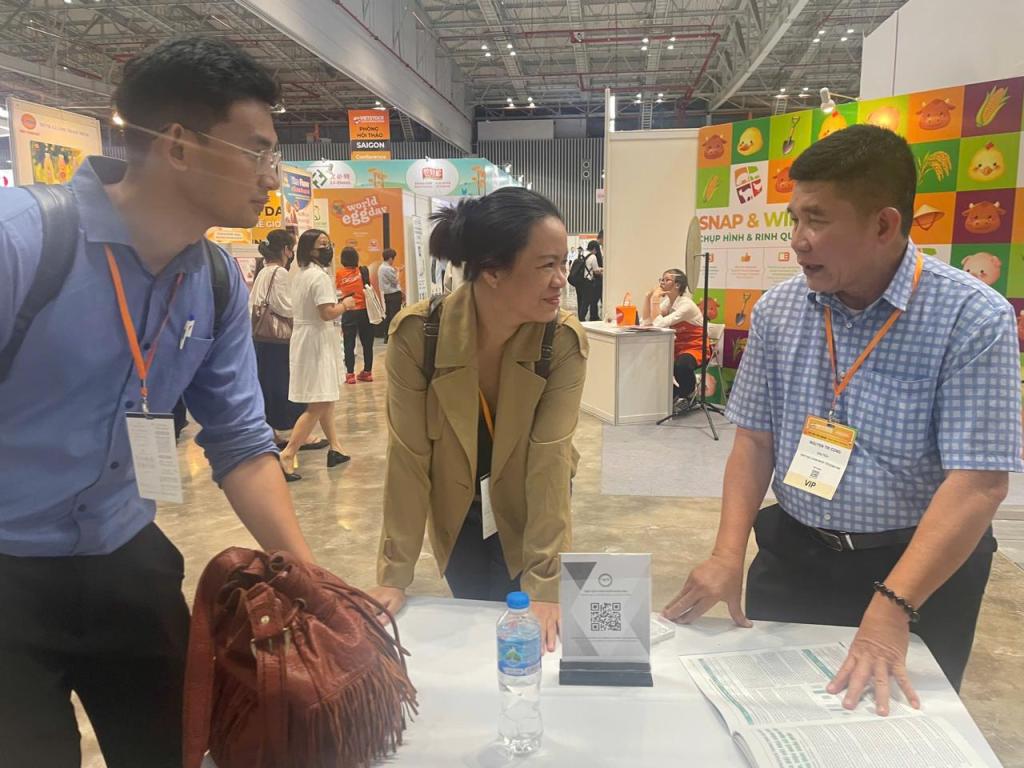
I came with a few industry friends, each with a different view of the livestock business: an event organizer, a provider of Japanese waste treatment technology, a farm designer, and a businessman who has spent seven years in Vietnam closely watching its economy.
We had no particular agenda. We walked around, visited booths, met people, and exchanged observations.
And we came home with quite a few questions.
Where did everybody go?
The explanation we heard most often was that too many industry events were taking place around the same time, particularly AAAP in Hanoi.
That sounded reasonable at first.
But we wondered: are the audiences of AAAP and VietStock really that similar? Would people who normally visit VietStock choose to attend AAAP instead?
One of our friends, who organizes exhibitions herself, confirmed that event schedules have become crowded.
Still, we wondered whether scheduling alone could explain what we were seeing.
Are companies changing how they meet customers?
During our visit, we had an interesting conversation with an industry professional about the value of participating in exhibitions.
Traditionally, trade exhibitions provide opportunities for companies to showcase products, meet existing customers, and find potential buyers.
But are these opportunities still attractive enough to justify the time and investment?
In our conversations, we heard about other approaches, including company-organized events, technical conferences, and direct contact with customers.
A consultant who has worked in Vietnam for decades also observed that more manufacturers were seeking direct relationships with customers rather than relying on traders.
That raised a few questions for us.
Are livestock suppliers changing the way they approach the market? What makes an exhibition worthwhile for them today? And how do they decide where to invest their marketing resources?
A strong Chinese presence
Walking through VietStock, we noticed a strong presence of Chinese exhibitors, particularly among farm equipment suppliers.
Some of the largest booths displayed equipment for livestock farms and feed manufacturing. We also visited a Chinese feed additive company with more than two decades of industry experience.
One exhibitor told us it had recently opened a facility in Tay Ninh to manufacture equipment for feed production.
Our friend in the event business mentioned that Chinese companies were also participating actively in exhibitions across other industries in Vietnam, including textiles, pharmaceuticals, furniture, and automobiles.
That made us curious.
What attracts Chinese companies to exhibitions in Vietnam? Are they finding new customers, building local partnerships, or exploring opportunities to establish a stronger presence in the market?
And what are Vietnamese livestock producers looking for when they visit these booths?
We didn’t have the answers, but there was certainly plenty to explore.
Pig diseases everywhere, but where were the veterinary companies?
Another thing caught our attention.
Both seminar rooms had presentations discussing pig diseases. Clearly, animal health was receiving considerable attention in the technical program.
Yet as we walked around, we didn’t see the vaccine and veterinary medicine companies we had expected.
Was this just a coincidence?
Were these companies participating in other events instead? Or had they found different ways to reach their customers?
If pig diseases are among the industry’s biggest concerns, shouldn’t the companies providing solutions have a strong reason to be there?
Perhaps there is an explanation we missed.
A Cambodian visitor looking for something different
One of our most interesting conversations was with a Cambodian pig producer and purchaser.
He works with M’s Pig and also operates a 200-sow contract farm producing around 5,000 piglets annually.
This was his second visit to VietStock.
We asked why he had come and what he was looking for.
He explained that the border conflict between Cambodia and Thailand had disrupted access to products his business normally sourced from Thailand, particularly farm equipment and feed additives.
So he was looking for alternative suppliers.
Had he found anything useful at VietStock?
Yes, he said.
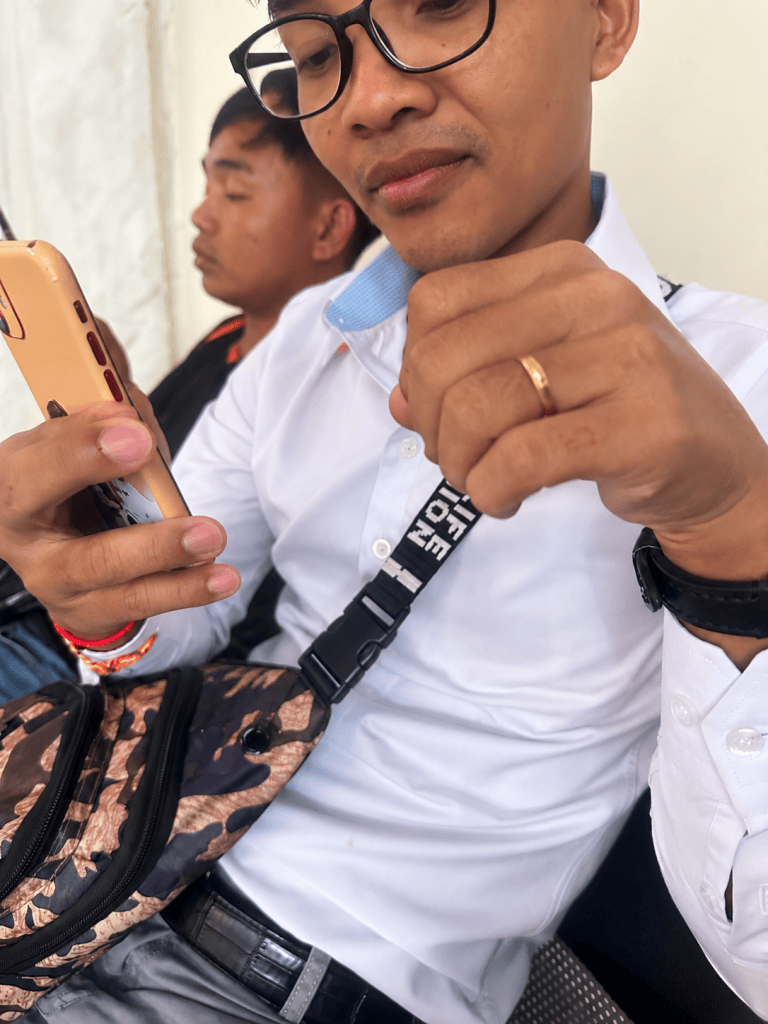
He was particularly interested in automated systems and AI applications for pig farming.
Had his farm adopted any of these technologies?
Not yet. But they were considering them.
His answers gave us another perspective on the exhibition.
While some exhibitors were questioning whether VietStock was worth their investment, here was a visitor who had come with specific purchasing needs and found potential suppliers.
We wondered how many other Cambodian producers were doing the same.
And whether the disruption in trade with Thailand might change where Cambodian livestock businesses source their equipment and feed products.
More questions than answers
We left VietStock without a clear explanation for its quiet exhibition floor.
Perhaps competing events played a role. Perhaps companies are changing their marketing strategies. Perhaps the mix of suppliers and visitors is changing too.
We don’t have enough evidence to say.
But walking around with people who work in different corners of the livestock business made the visit more interesting than we had expected.
A quiet exhibition can still produce some lively conversations.
These were our observations and the questions we brought home.
If you were at VietStock, did you notice the same things? Or did you see something we missed?
We’d love to hear your perspective. Perhaps you can help us find some answers.


Leave a Reply