
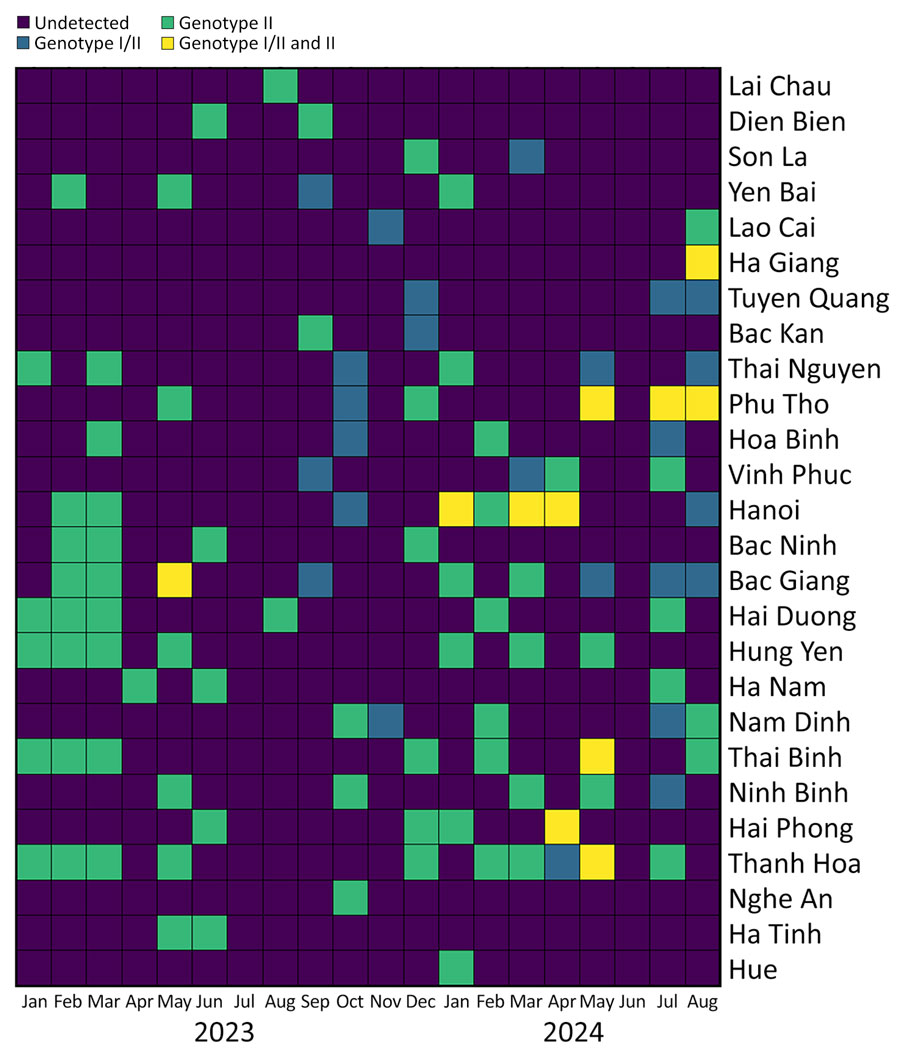
Recombinant genotype I/II viruses accounted for 83.6% of African swine fever (ASF) virus samples examined in Vietnam in 2026, according to FAO. The finding raises an important question for the country’s pig industry: how can ASF be controlled when the virus continues to evolve?
Vietnam’s response involves more than vaccination. Its national disease control plan for 2026–2030 aims to reduce ASF outbreaks and compulsory pig culling by at least 30% compared with the 2020–2025 average.
The strategy emphasizes disease surveillance, early detection, biosecurity, movement controls and the development of disease-free production areas.
Turning national targets into farm-level controls
Provincial authorities are responsible for translating the national strategy into local measures, including livestock registration, movement restrictions, disinfection and surveillance.
In Dong Nai, authorities have been tightening livestock registration and restocking controls in ASF-affected areas.
These measures address difficulties that have accompanied ASF control since the disease first appeared in Vietnam in 2019. Smallholder production, livestock trading and inconsistent biosecurity practices continue to complicate efforts to prevent the virus from spreading.
Reporting is another concern. Official outbreak figures depend partly on farmers recognizing suspected infections and notifying veterinary authorities. Consequently, reported cases may not fully reflect the extent of virus circulation.
Vaccination and biosecurity must work together
The growing presence of recombinant ASF viruses also raises questions about vaccine protection.
Research cited by Dr Lê Văn Phan of Vietnam National University of Agriculture found that genotype II-based live-attenuated vaccines did not provide complete protection against recombinant genotype I/II viruses.
Avac Vietnam has reported experimental cross-protection with its Avac ASF Live vaccine. Research presented by Dr Nguyễn Văn Điệp showed that protection varied with the viral challenge dose, with stronger results at lower doses.
The findings underline the importance of biosecurity alongside vaccination. Limiting exposure to the virus remains essential, even on vaccinated farms.
For Nguyễn Trí Công of the Dong Nai Livestock Association, ASF should increasingly be approached as a continuing disease concern, much like porcine reproductive and respiratory syndrome (PRRS), rather than an unfamiliar threat requiring exceptional responses.
His perspective brings ASF control back to everyday farm management. Surveillance, movement controls, vaccination where appropriate and consistent biosecurity must become routine practices rather than temporary responses to outbreaks.


Leave a Reply