
Vietnam is expanding its domestic soybean crushing industry, with new processing lines commissioned by international agribusiness joint venture Vietnam Agribusiness Limited (VAL) and local producer Dabaco Group.
The two investments have added a combined 5,000 tonnes of daily soybean processing capacity, allowing more imported soybeans to be processed domestically into soybean meal for animal feed and soybean oil for food and industrial markets.
The expansion is already influencing Vietnam’s feed ingredient trade outlook.
According to the US Department of Agriculture’s October 6 Oilseeds and Products Update, Vietnam’s soybean imports reached an estimated 3.8 million tonnes in the 2025/26 marketing year, compared with 2.6 million tonnes a year earlier. Imports are forecast to reach 4 million tonnes in 2026/27.
USDA also expects domestic soybean crushing to increase from 3 million tonnes in 2025/26 to 3.2 million tonnes in 2026/27. It has revised its soybean meal import forecasts downward for both marketing years as additional domestic processing capacity comes into operation.
Two major investments
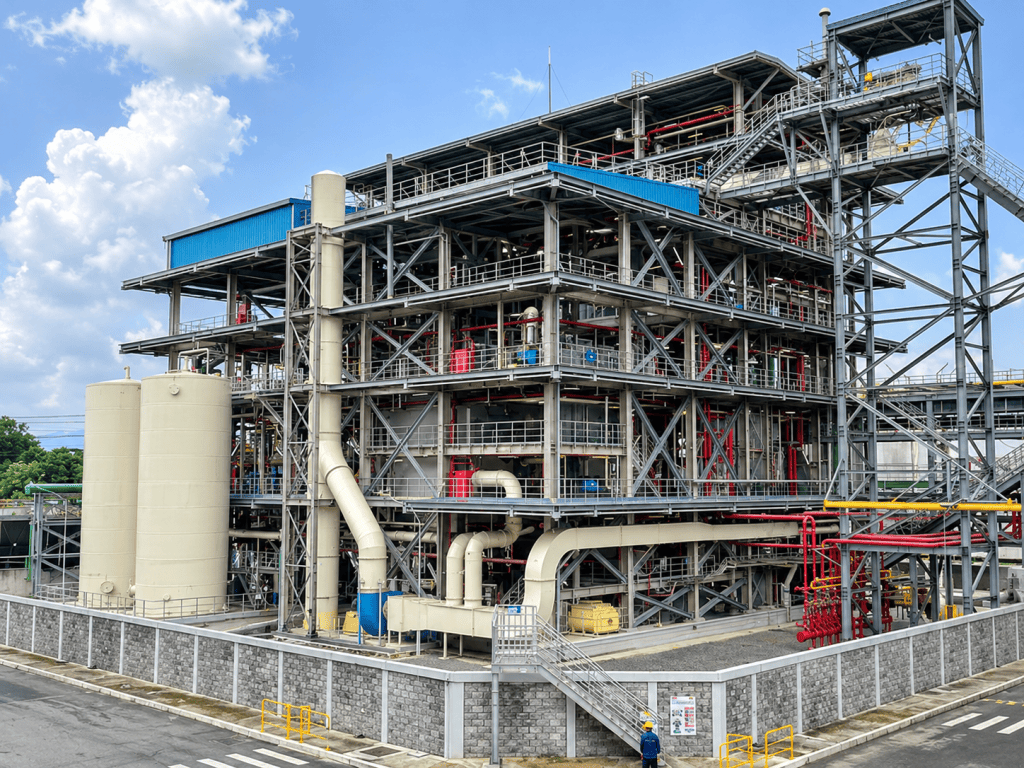
In December 2025, VAL, a joint venture between Bunge and Wilmar International, commissioned its second soybean crushing line at Phu My in southern Vietnam.
The new line added 4,000 tonnes/day, bringing the facility’s total processing capacity to 7,800 tonnes/day.
At full capacity, VAL expects to process approximately 2.6 million tonnes of soybeans annually, producing nearly 2 million tonnes of soybean meal and more than 500,000 tonnes of crude soybean oil.
In northern Vietnam, Dabaco inaugurated the second phase of its vegetable oil processing plant in Bac Ninh in March 2026.
The expansion increased total soybean crushing capacity from 500 to 1,500 tonnes/day. The company expects the expanded facility to produce more than 400,000 tonnes of soybean meal annually, alongside vegetable oil, lecithin and other soybean products.
A changing feed ingredient supply structure
Vietnam remains heavily dependent on imported soybeans, with domestic cultivation supplying only a small fraction of processing requirements.
However, the additional crushing capacity means a greater share of soybean meal can be produced within Vietnam rather than imported as a finished feed ingredient.
For domestic feed manufacturers, this creates additional opportunities to source soybean meal from local processors, although the implications for prices and purchasing decisions will depend on international soybean costs, processing economics and market competition.
The development is also relevant to other Asian livestock-producing countries that depend heavily on imported feed ingredients. Vietnam’s investments illustrate one approach to expanding domestic feed ingredient processing while remaining connected to international raw-material markets.
By Ha Thu
PigTalks Asia


Leave a Reply