
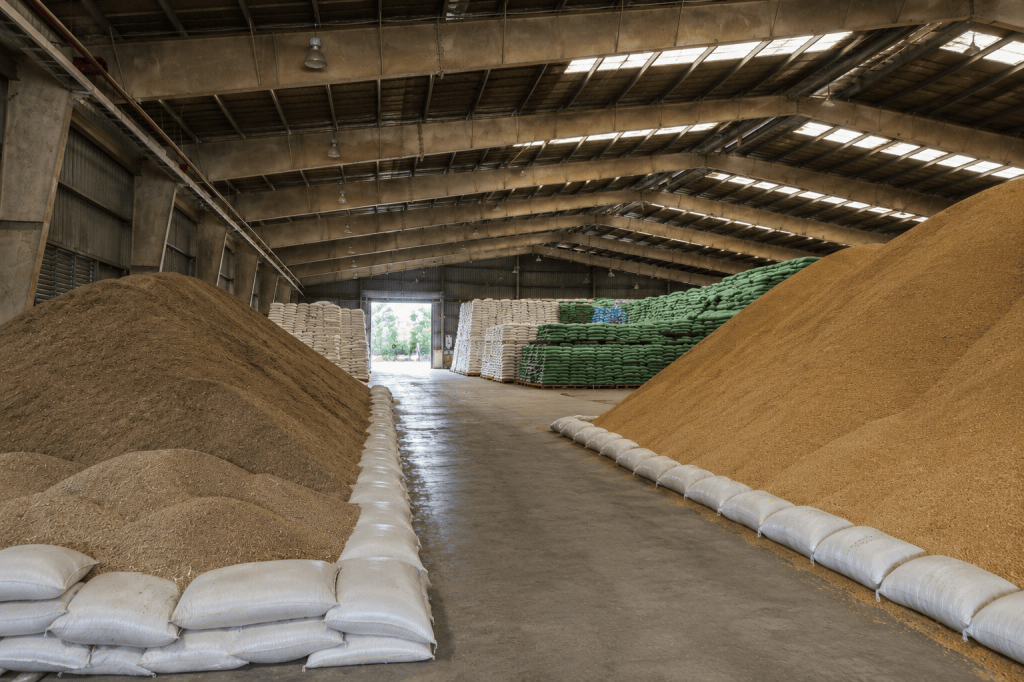
Feed prices in Vietnam moved higher again in August, with several major manufacturers raising prices by VND 160-200/kg, or around USD 6-8/ton, even as the domestic market showed no clear shortage of major feed ingredients.
Cargill Vietnam raised prices by VND 200/kg for compound and concentrate feeds from August 10. USFeed and Gold Coin Feedmill announced increases of VND 160-200/kg from August 8, while ANT introduced similar adjustments from August 10.
The increases were not uniform across the industry. Feed companies have adjusted prices at different times and by different amounts during 2026, reflecting differences in formulations, raw-material purchasing, inventories and commercial strategies.
The latest movements therefore provide a better signal of cost pressure across the feed sector than any count of how many price increases have occurred this year.
Supply is not the whole story
Vietnam remains heavily dependent on imported feed ingredients, leaving domestic feed costs exposed to movements in international commodity markets, freight and exchange rates even when physical supply is available.
Current market conditions illustrate that distinction.
Vietnamese feed-market data at the end of August continued to show South American corn, wheat and soybean meal being offered for delivery to Vietnam, while international markets were becoming more volatile.
Disruptions to Black Sea grain trade have become one source of pressure. Reuters reported in early September that Asian buyers, including Vietnam, were paying higher prices for alternative wheat supplies from Australia and Argentina after attacks on vessels and grain infrastructure disrupted Russian and Ukrainian shipments. Chicago wheat futures had risen about 35% since late June.
China adds another uncertainty. Heat and flooding have affected major corn and soybean producing areas since mid-July. While larger corn acreage could offset some yield losses, crop-quality concerns could increase China’s demand for imported feed grains, according to traders and analysts cited by Reuters.
Energy and shipping costs are another factor. Oil prices strengthened again at the end of August and early September amid renewed Middle East tensions, while geopolitical disruption continues to affect shipping routes and insurance costs.
For Vietnam, the result is a feed market that can face rising costs without running short of ingredients.
What does the movement signal?
The August adjustments do not necessarily mean feed prices will continue rising across all manufacturers or products. Global grain markets remain mixed, and individual Vietnamese feed companies have different sourcing positions and cost structures.
But the movement highlights Vietnam’s exposure to costs determined well beyond its borders.
For pig producers, the important signals over the coming months will therefore not be simply whether another feed company announces a price adjustment. Movements in corn, soybean meal and feed wheat, together with freight, energy costs, exchange rates and purchasing by major Asian buyers such as China, may provide a better indication of where feed costs are heading.
For feed manufacturers, particularly smaller independent players with less purchasing power, the same volatility could also widen the difference between having access to raw materials and being able to secure them at a competitive cost.
By Ha Thu
PigTalks


Leave a Reply