
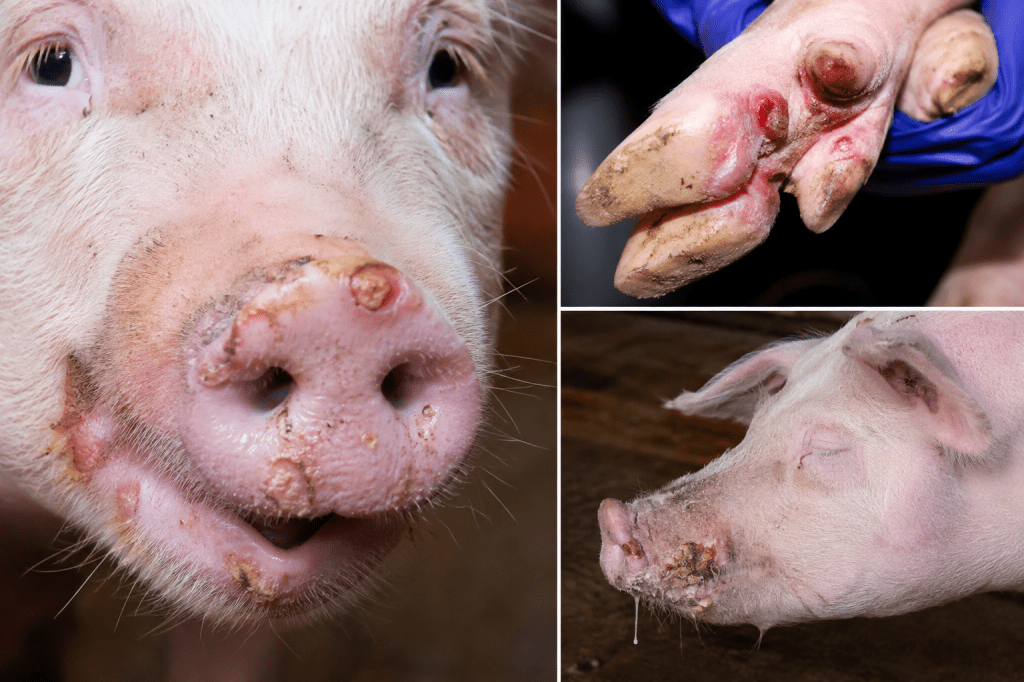
For many sow farms in Vietnam, vaccination against foot-and-mouth disease (FMD) is part of the routine health program. At fattening farms, the decision can be more situational, influenced by disease pressure, season, farm biosecurity and production economics.
That difference is becoming more important as Vietnam’s pig sector faces a changing FMD risk.
Serotypes O and A already circulate in Vietnam and the region, while the recent emergence of SAT1 in China has introduced another potential threat. For a country with around 31.4 million pigs, the challenge is therefore not simply preparing for a new serotype, but maintaining adequate protection against existing ones at the same time.
Dr Mark Anthony Mercado, Technical Services Manager Asia at Biogénesis Bagó, sees Vietnam as relatively well positioned in one important area: surveillance.
“If you can identify the cause, you can already solve 50% of the problem,” he told PigTalks. “The other 50% is to find the right solutions.”
The threat is already outside the farm
FMD serotypes O, A and Asia-1 are endemic in Southeast Asia, although Asia-1 has been reported less frequently. In Vietnam, O and A remain the priority for vaccination.
“Remember these endemic viruses are just outside the farms,” Dr Mercado said. “The only protection against them is the pigs’ immunity.”
Vietnam reported four FMD type A outbreaks on June 10, including one involving pigs in Cao Bang province near the Chinese border. Type O also remains widely prevalent in Asia.
SAT1 adds another layer to this risk because immunity against one FMD serotype does not protect animals against another. A pig vaccinated against serotype O, for example, could remain susceptible to type A or SAT1.
This makes knowing what is circulating particularly important as the FMD situation changes.
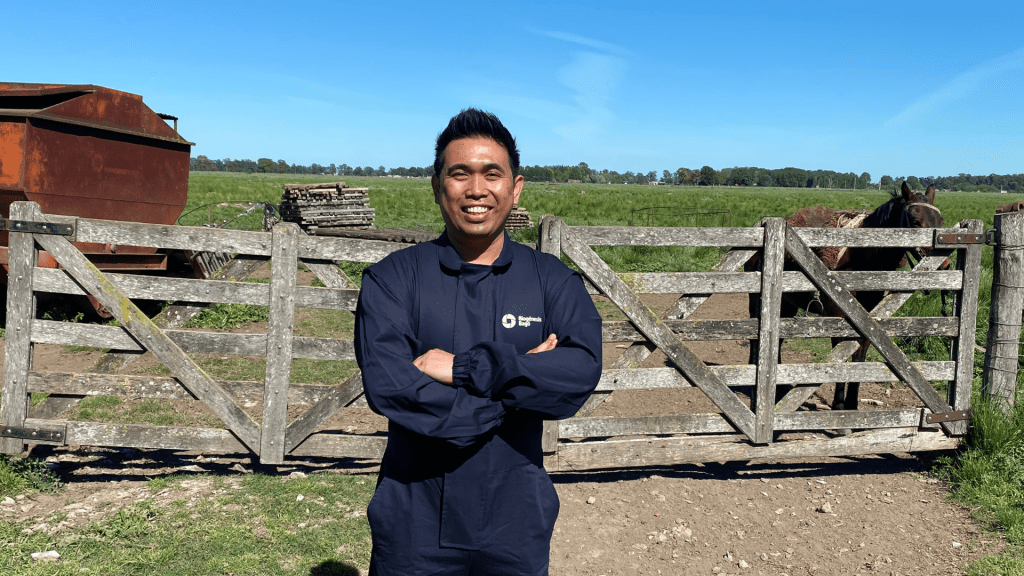
“Remember these endemic viruses are just outside the farms. The only protection against them is the pigs’ immunity.”
Mark Anthony Mercado, Technical Services Manager Asia, Biogénesis Bagó
Vietnam can identify what is circulating
Dr Mercado sees disease surveillance as one of Vietnam’s strengths.
The country has active FMD surveillance and diagnostic capacity through its veterinary authorities, allowing circulating viruses to be identified and vaccination strategies to be adjusted accordingly.
“If you can identify the cause, you can already solve 50% of the problem,” Dr Mercado said. “The other 50% is to find the right solutions.”
That second half of the equation eventually reaches the farm.
Surveillance can identify the threat, but it does not create immunity in the herd. At farm level, protection depends on biosecurity and whether animals have adequate immunity against the FMD viruses they may encounter.
Vaccination, however, is not approached uniformly across Vietnam’s commercial pig sector.
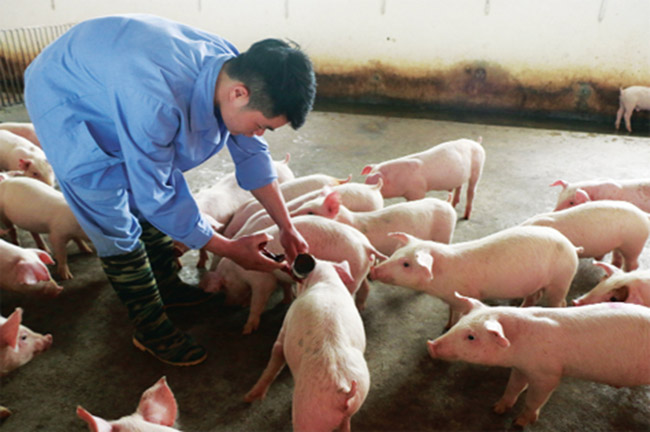
Dr Mercado said sow farms generally include FMD vaccination in their routine health programs, often vaccinating two or three times a year. Fattening farms tend to be more opportunistic.
Their decisions may change with disease pressure, particularly during the rainy season or when outbreaks occur nearby. Farm biosecurity and production economics can also influence whether vaccination is considered necessary.
This does not necessarily reflect a lack of awareness of FMD. Rather, disease prevention is one of many production decisions farms make within changing biological and economic conditions.
Experience changes the calculation
Previous exposure to FMD can also influence how producers assess the value of vaccination.
Dr Mercado said farms that have experienced an outbreak tend to be more willing to vaccinate because the cost of the disease is no longer theoretical.
For breeding farms, FMD can result in reproductive losses and piglet mortality. In fattening pigs, the effects can appear through poorer feed conversion and average daily gain, reducing production performance even when animals survive the disease.
The economic consequence therefore extends beyond mortality.
For farms that decide to vaccinate, Dr Mercado also cautioned against assuming that a single dose necessarily provides sufficient protection.
FMD vaccines are inactivated vaccines. The first dose stimulates the immune system, but under endemic conditions such as those in Vietnam and Southeast Asia, Dr Mercado recommends a second dose four weeks later to boost antibody levels and achieve stronger protective antibody titers.
Prepare for SAT1 without forgetting O and A
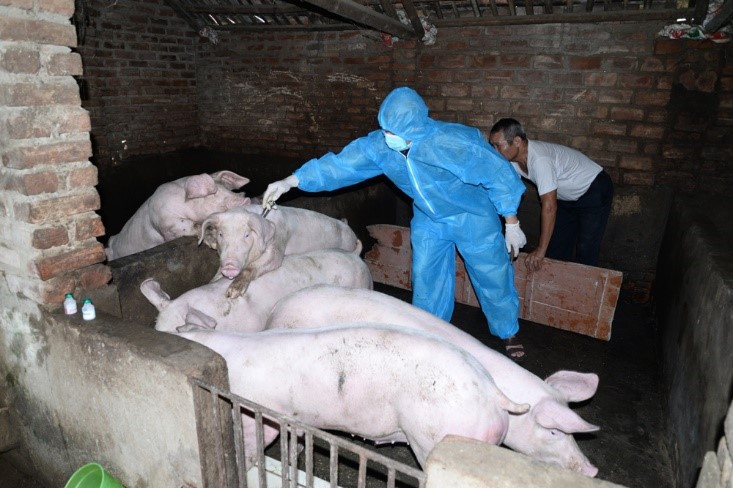
Dr Mercado does not currently consider routine SAT1 vaccination necessary across Vietnam because the serotype has not yet been reported in the country. Some farms close to the Chinese border, however, are already considering additional vaccination as a precautionary measure after assessing the potentially high risk of SAT1 introduction.
For the wider pig sector, the immediate priority remains maintaining protection against FMD serotypes O and A while watching closely for emerging or re-emerging virus strains circulating around Vietnam.
SAT1 therefore presents more than another disease threat. Its movement into Asia is also a test of how quickly disease intelligence can be translated into farm-level protection.
Vietnam already has an important part of that system in place: the ability to see what is circulating.
The next line of defense starts at the farm gate: block the virus with biosecurity and build protection with the right vaccination.


Leave a Reply