
Antimicrobial resistance is often discussed in the context of antibiotic use. However, findings presented at The 1st National Conference on Animal Science, Technology and Veterinary Medicine (NATAS 2026) suggest a broader system at play.
One study, conducted on diarrhoeic piglets in Ba Ria–Vung Tau, Binh Phuoc and Dong Nai, examined the prevalence and resistance patterns of Escherichia coli and Clostridium perfringens in farm conditions.
The results showed that E. coli was isolated in 96.66% of samples, with resistance rates exceeding 90% for commonly used antibiotics such as amoxicillin (93.10%) and florfenicol (91.95%), alongside high resistance to tetracycline (88.51%) and streptomycin (77.01%).
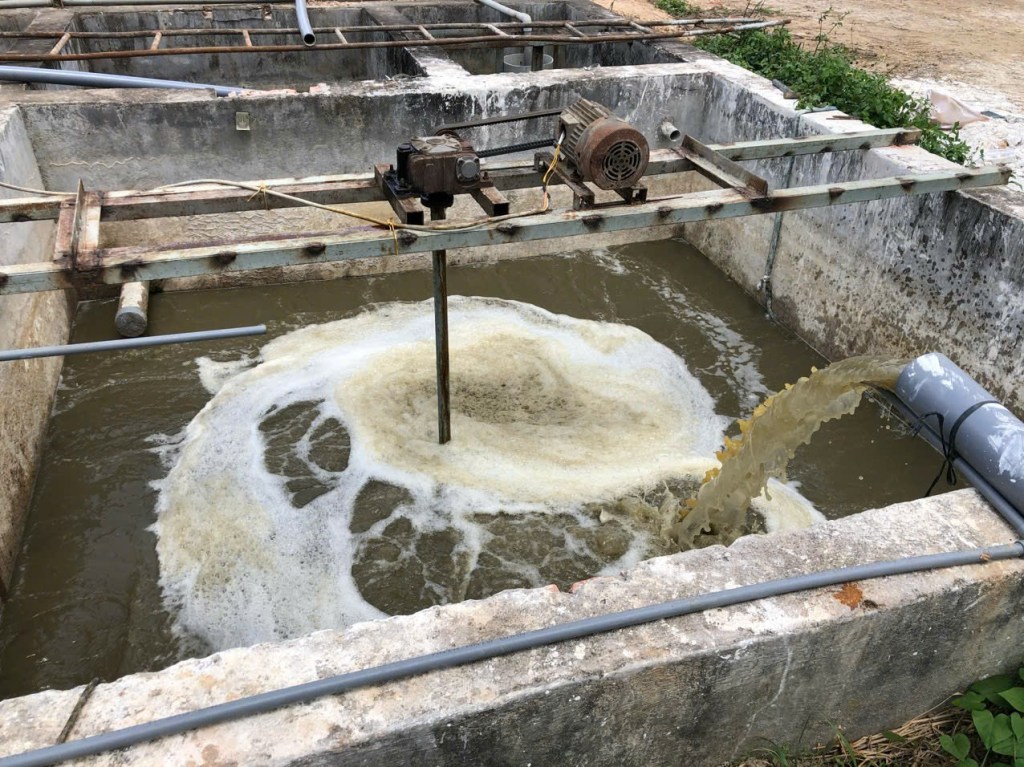
In parallel, another study presented at the conference identified bacteria resistant to critically important antibiotics, including colistin and carbapenem, in livestock waste streams, pointing to the persistence of resistance beyond the animal level.
Beyond individual practices
At farm level, antibiotic use is often the most visible factor. Yet resistance patterns suggest that multiple elements may be involved:
- treatment decisions
- hygiene and farm management
- handling of manure and wastewater
- interaction between animals and their environment
In this context, resistance appears less as an isolated outcome, and more as a result of interconnected practices.
Where the system extends
The identification of resistant bacteria in waste introduces another dimension.
Rather than acting as an endpoint, waste may function as part of a broader pathway in which microbial populations continue to evolve and circulate.
This raises questions not only about treatment inside the barn, but also about how production systems connect with their surrounding environment.
A pattern becoming visible
For many farms, antimicrobial resistance does not present immediate performance losses. It builds gradually, often remaining unnoticed until measured.
The data does not suggest a sudden change. It points to a condition that has been developing within the system over time.
Antimicrobial resistance is often approached as a matter of control. The findings suggest it may also be a matter of system structure — shaped by how different parts of production are connected in practice.
By Ha Thu
PigTalks
 pigtalks.asia
Leave a comment