
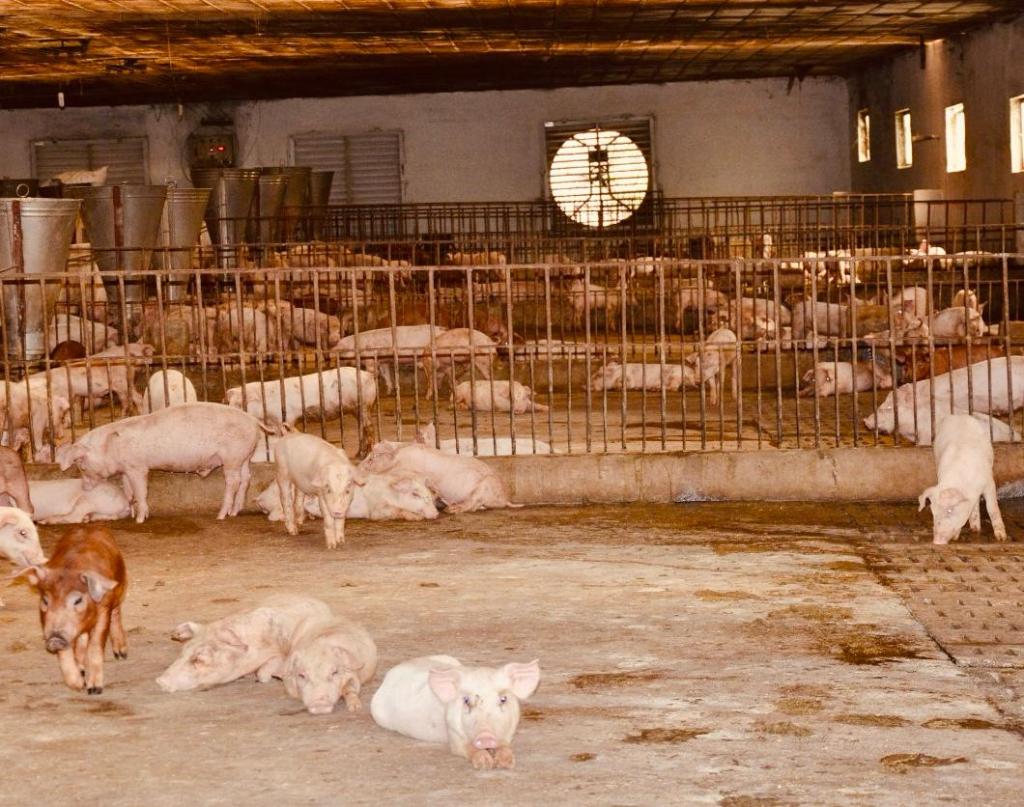
After a week of heightened media attention around the Nipah virus, Vietnam’s agriculture authorities have formally moved to strengthen surveillance measures at pig farms — a step that signals precaution, rather than confirmation of elevated risk.
The Ministry of Agriculture and Environment has instructed local departments to intensify proactive monitoring at pig farms, particularly in areas with a high density of fruit bats or those located near natural reserves. Farms are being asked to closely observe pigs showing abnormal respiratory or neurological signs and to report and test suspected cases using RT-PCR methods.
Additional measures focus on tightening slaughter control, animal movement inspection, and on-farm biosecurity practices. These include installing nets to prevent bats and birds from entering pig houses, securing feed and water sources from wildlife contamination, managing vegetation around farms, and limiting access by unauthorised people and vehicles.
A familiar pathogen, a familiar response
Nipah virus is not new to veterinary and public health systems in the region. The virus, carried naturally by fruit bats of the Pteropus genus, first drew wide attention during outbreaks in Malaysia in the late 1990s, where transmission occurred primarily through pigs and then to humans in close contact with them. Singapore later recorded cases among slaughterhouse workers handling pigs imported from affected areas.
Recent reports from India, where a small number of suspected and confirmed human cases were identified in West Bengal, have added to regional alertness. Vietnam’s response appears to reflect this broader context, activating preventive controls rather than reacting to any detected domestic outbreak.
Industry reads the situation calmly
Industry players across Vietnam’s pig sector have so far remained measured in their assessment. Several operators and advisors contacted by PigTalks view the current wave of coverage as out of proportion to on-the-ground risk, emphasising that enhanced surveillance should not be conflated with an active disease event.
The consensus among practitioners is that vigilance is appropriate, but that panic is not.
A disease familiar to pig veterinarians
Among veterinarians working in pig production systems, Nipah virus is regarded as a serious but well-described disease rather than an unknown threat.
Dr John Carr, a widely respected pig veterinarian who is familiar with Nipah virus and its emergence in Malaysia, notes that the disease’s behaviour in pigs has been documented for decades. Clinical signs are dominated by respiratory distress, particularly in growers, finishers, and breeding stock, with neurological signs and sudden death more likely in adult animals.
Infection is understood to occur primarily via oral exposure, with an incubation period of around two weeks. Diagnosis relies on laboratory confirmation, as post-mortem findings are largely confined to lung lesions rather than widespread systemic changes.
From this perspective, while Nipah is a severe pathogen, it is not a new one — and heightened media attention has historically tended to move faster than the epidemiological situation on farms.
What this means for producers
For pig producers, the current message is one of discipline, not alarm. The measures outlined by authorities largely reinforce existing biosecurity principles: preventing wildlife contact, controlling access to farms, maintaining hygiene in transport and slaughter, and reporting abnormalities early rather than concealing them.
At this stage, there is no indication of Nipah virus circulation within Vietnam’s pig population. The regulatory response reflects a system choosing to monitor early and quietly, rather than react late and loudly.
For now, vigilance — not fear — remains the appropriate posture.
 pigtalks.asia
Leave a comment