Vietnam has revised its regulatory framework for genetically modified organisms (GMOs), a move that will simplify approvals for animal feed use and reduce compliance friction for feed producers and traders operating in the country.
On paper, the change looks administrative. In practice, it reshapes how international suppliers assess market entry, portfolio prioritisation, and regulatory risk in Vietnam.
Under the revised framework, approvals for GMO use in food and feed have been merged into a single process. GMOs approved for food use are now automatically permitted for animal feed, removing the need for parallel dossiers and duplicated safety reviews.
Vietnam will also recognise GMO approvals granted in at least five OECD or G20 countries, provided no safety risks have been reported. This significantly reduces reliance on Vietnam-specific reassessment for ingredients that already have broad international clearance.
What changes for feed ingredient and additive suppliers
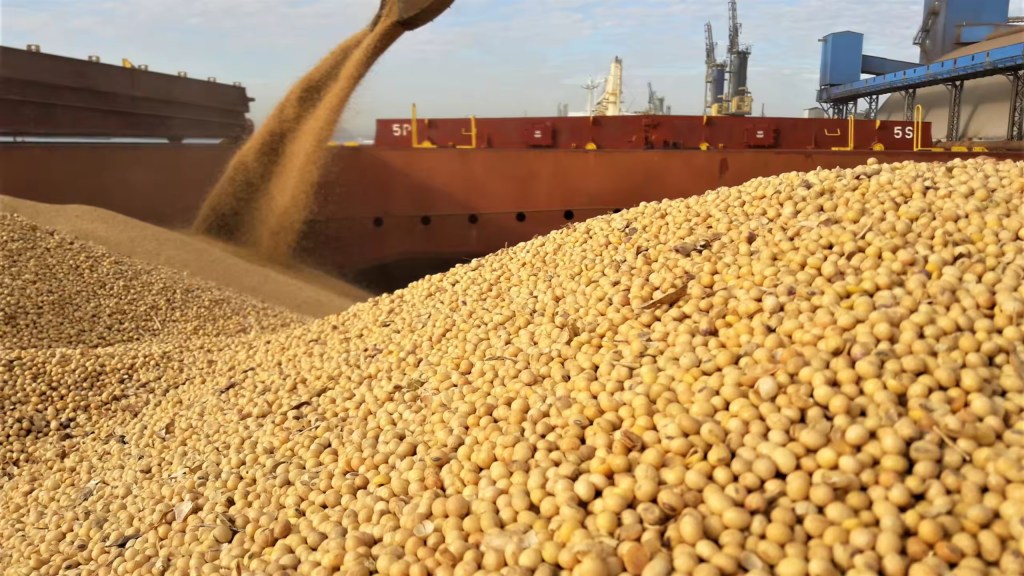
For suppliers of GMO-derived ingredients such as soybeans, corn, DDGS, and certain feed additives, the immediate effect is shorter approval timelines and lower administrative cost when sourcing imported raw materials.
More importantly, the change improves supply predictability. Ingredients that already sit comfortably within global regulatory frameworks can now move into Vietnam with fewer procedural uncertainties, reducing the risk of approval bottlenecks disrupting formulation or procurement plans.
For traders, this also shifts the value equation. Regulatory access is less likely to be the constraining factor; logistics, pricing discipline, and customer alignment will matter more than before.
A quieter but strategic alignment
Vietnam’s decision brings its GMO oversight closer to international regulatory practice while maintaining biosafety controls. It signals a preference for regulatory convergence over regulatory isolation, a message likely to be read carefully by multinational suppliers.
At the same time, the framework still places responsibility on suppliers to monitor post-approval safety outcomes globally. Recognition is conditional, not automatic — and reputational risk now travels faster across borders.
Why this matters beyond compliance
For the livestock feed sector, the rule change is not just about faster approvals. It reduces friction in ingredient access at a time when feed cost control, formulation flexibility, and supply resilience are under pressure.
For feed additive suppliers and traders, the real question is no longer “Can this ingredient be approved?”
It is “How do we position it, source it, and deploy it strategically in Vietnam’s feed market?”
That shift — from regulatory survival to strategic choice — is the quiet but lasting impact of this policy change.
By Ha Thu – PigTalks
 pigtalks.asia
Leave a comment