
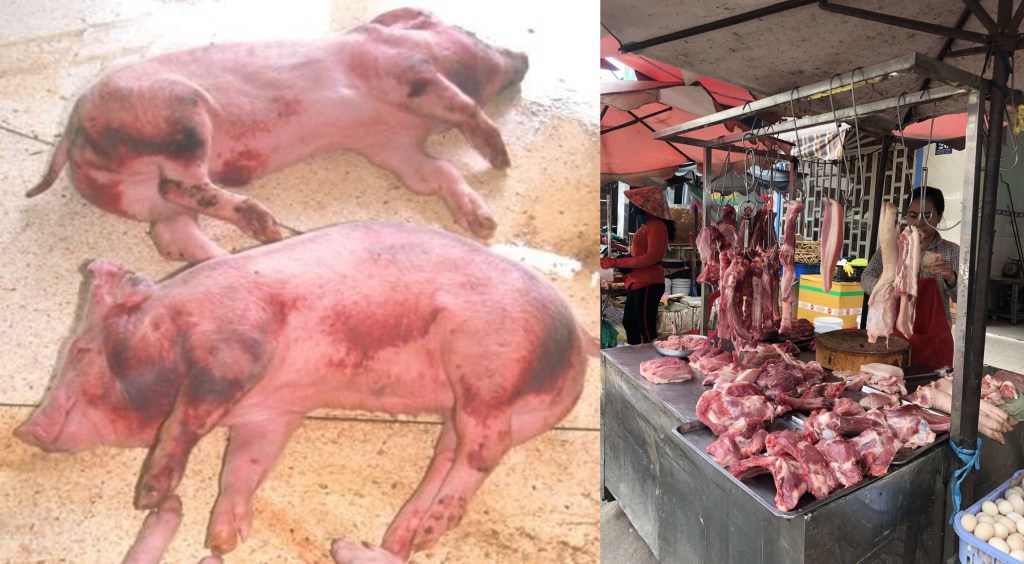
On August 15, Hue City announced a total of 42 reported cases of Streptococcus suis (S. suis) infection, which have led to 4 fatalities since the beginning of the year in this City. Hue was the most severely affected area in Vietnam, alongside Hanoi, with fewer cases. This marked surge raises concerns, especially when considering that the province had only recorded three cases in 2024, with no associated deaths.
The patients are believed to have consumed undercooked pork products. In severe cases, patients exhibited symptoms including purulent meningitis, sepsis, septic shock, and multiple organ failure.
PRRS is a syndrome that can trigger the growth of S. suis, a common bacterium found in pigs’ tonsils. PRRS may lead to a higher occurrence of S. suis meningitis in affected herds. However, veterinary officials have confirmed that there was no outbreak of PRRS in the affected regions. (There are many types of S. suis)
Although S. suis is not a new pathogen affecting pig herds, concerns about human infection have grown. This is primarily due to the risk associated with consuming raw or undercooked meat and blood from infected animals. In response to these concerns, the municipal health department has issued a warning to raise awareness. Residents are strongly advised against eating raw pig blood pudding, undercooked pork, or pig intestines, or consuming sick or dead pigs.
In farming, this can result in financial losses, as the bacteria may lead to the death of pigs and potentially spark an outbreak.
Understanding the problem
To gain a deeper understanding of S. suis-associated meningitis, we turn to Dr John Carr, a recognized expert in swine pathology.

Dr Carr explains the intricate process of diagnosing, treating, and controlling this bacterial infection, with a special focus on the role of cerebrospinal fluid analysis. He noted that common symptoms, such as meningeal congestion, necessitate swift intervention, as misdiagnosis can occur due to the organism’s prevalence on the skin and in the respiratory tract.
Through a combination of rapid antibiotic treatments and supportive care, alongside understanding the environmental stressors that exacerbate the disease, effective management strategies can be developed. Additionally, the zoonotic risks posed by S. suis highlight the importance of maintaining safe handling practices in veterinary settings.
This sheet will guide readers through the essential aspects of S. suis infection in pigs, emphasizing the need for thorough knowledge and proactive measures in both diagnosis and prevention.
Investigate the issue
Investigation of a sudden outbreak on a farm requires a systematic approach to identify and mitigate risks effectively.
The first step is to check for PRRSv, particularly in herds previously considered negative. Concurrently, inspect other pigs for signs of conjunctivitis and assess for Porcine Circovirus Associated Disease (PCVAD). A sudden spike in cases of these diseases could potentially trigger S. suis outbreaks within the herds.
Post-mortem examinations are crucial for accurate diagnosis, distinguishing between conditions like Glässer’s disease and bowel edema. Collecting cerebrospinal fluid and characterizing S. suis isolates can provide important insights. Assess weaning age and weight, paying particular attention to piglets under 5kg.
It’s equally important to check the quality of farrowing conditions, pig flow, and water access, ensuring enough water supply per pig. Temperature control in nursery facilities is essential, with an ideal entry temperature of 30°C. Finally, implementing long-term strategies to eliminate stressors post-weaning can improve overall herd health. This multifaceted approach is critical for addressing outbreaks and maintaining the well-being of the pigs.
A long-term approach
Dr Carr stressed that proper pig flow and adherence to an all-in/all-out system are vital in preventing outbreaks.
“Nursery pigs require specific space and total volume, and strict cleanliness protocols must be followed, including using dedicated needles for meningitis treatment and enforcing footbath usage,” he said.
Staff hygiene is crucial, with mandatory hand washing between batches and after handling affected pigs to prevent cross-contamination.
“Ensuring an adequate, clean water supply and observing feeding behavior in weaners can help manage conditions. Increasing vitamin E and possibly vitamin C in their diet, alongside immediate post-weaning management reviews, contributes to the overall health strategy,” said Dr John Carr.
Monitoring mortality and morbidity metrics by batch and age through statistical process control helps distinguish genuine outbreaks from natural variations. Implementing a feedback program for gilts and sows six weeks pre-farrowing is recommended, utilizing fecal samples from weaned pigs to assess health trends.
For treatment of any case of (suspected) meningitis, Dr Carr advised:
Immediately
Double dose of penicillin-like medicines. Amoxicillin works well, so going for a double dose is a good option.
Injection of meloxicam for pain response.
Move to the hospital pen and isolate
Keep quiet and dark. Provide some water to the mouth
Complete hospital book
Possibly another injection of penicillin-like medicines. A double dose of amoxicillin is another option.
Over the next two days, take the normal dose of penicillin-like medicines. Double dose of Amoxycillin, and use Metacam.
Ensure the pig is watered.
Day 3-4, depending on the success of treatment, long-acting penicillin-like medicines. A double dose of amoxicillin is another option.
This way, we can get antibiotics into the brain in high concentrations as quickly as possible, which gives the animal a better chance. Meningitis is very, very painful, and thus the meloxicam. (Note the blood-brain barrier)
As the pig is not going to fight back, it must be isolated, kept cool, quiet, and calm.
“Please follow this protocol to give the animal any real chance of survival.”
This detailed guide will walk readers through the key elements of S. suis II infection in weaners. It provides detailed steps for investigating issues on a farm, along with strategies for both immediate and long-term responses.
 pigtalks.asia
Leave a comment