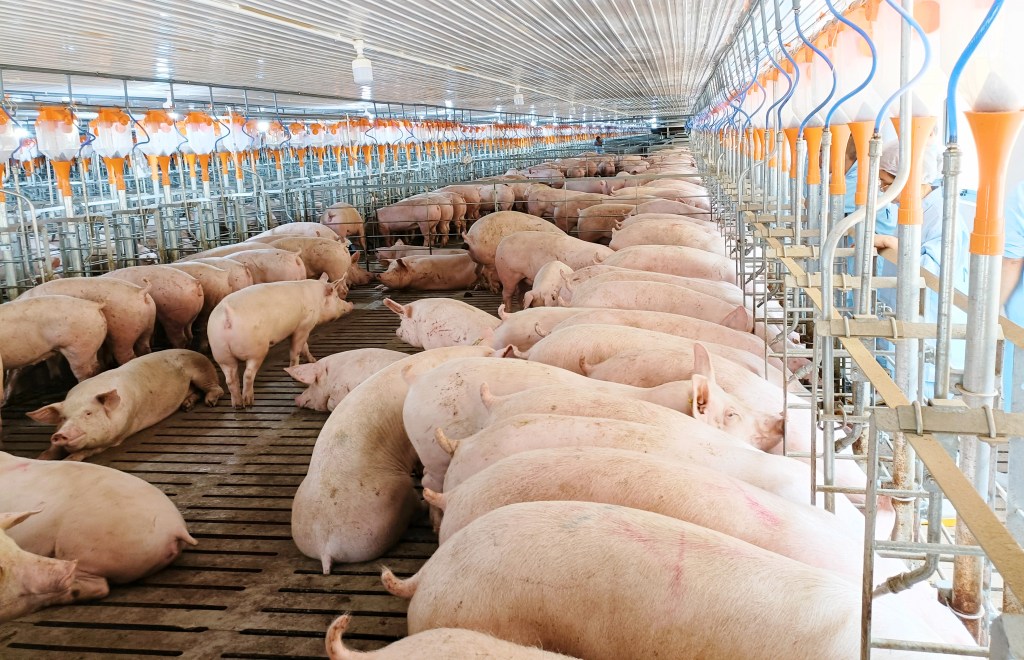
Mavin enhances its brand values by expanding living space for sows, promoting welfare within pig farming practices.
The Vietnamese pig industry is becoming an increasingly competitive arena, with large companies vying for advantages in production practices and striving to establish their brands. While many are focused on beefing up the sheer number of pigs, others are prioritizing the value derived from each individual animal.
Mavin Group, an Australian-backed livestock company in Vietnam, has recently opted to emphasize sustainable practices—a choice that few others make due to the stiff investment required and the challenges of shifting from traditional methods to more innovative approaches. What motivated Mavin to take this path, and how do they plan to reap the rewards that will ensure their continued growth along the way?
Raising pigs more humanely
In 2022, Mavin secured a USD 52 million loan from the International Finance Corporation (IFC) and the IFC Emerging Asia Fund. This funding is aimed at helping Mavin expand its pig herd while enhancing animal welfare standards in pig farming, aligning with European guidelines.
With IFC’s support, Mavin has been exploring the group sow farming model to identify the most advanced and suitable approach for the conditions in Vietnam. “Our humane farming strategy is a crucial factor in preparing our export capabilities for markets with high standards in the future,” Chairman David John Whitehead told Pigtalks.
After thorough research and careful selection of the appropriate technology, the company has established a pilot sow grouping farm that features an automated feeding system. This pilot project is anticipated to alleviate pig stress, boosting sow productivity while minimizing feed waste. “We will keep track of its performance and implement necessary adjustments and enhancements to ensure it can be scaled up in the future,” added Mr Whitehead.
Welfare model – group sow housing
In Vietnam, the use of gestation crates during pregnancy is prevalent. These metal enclosures are inadequately sized, preventing sows from turning around, and significantly restricting their movement throughout the 114-day gestation period. Such confinement inhibits the sows’ natural behaviors, resulting in substantial physical and psychological stress. This concern represents the primary alteration that Mavin has instituted in its humane pig farming model.
The company is currently testing a group sow farming model at a 500-sow farm in Hung Yen. Here, each group consists of approximately 24 sows, achieving a density of 1.69 m² per pig. This optimal space allows pigs to move freely while still being manageable. The sow grouping approach is applied during their gestation period. For sows with piglets, Mavin is exploring the use of free farrowing pens.
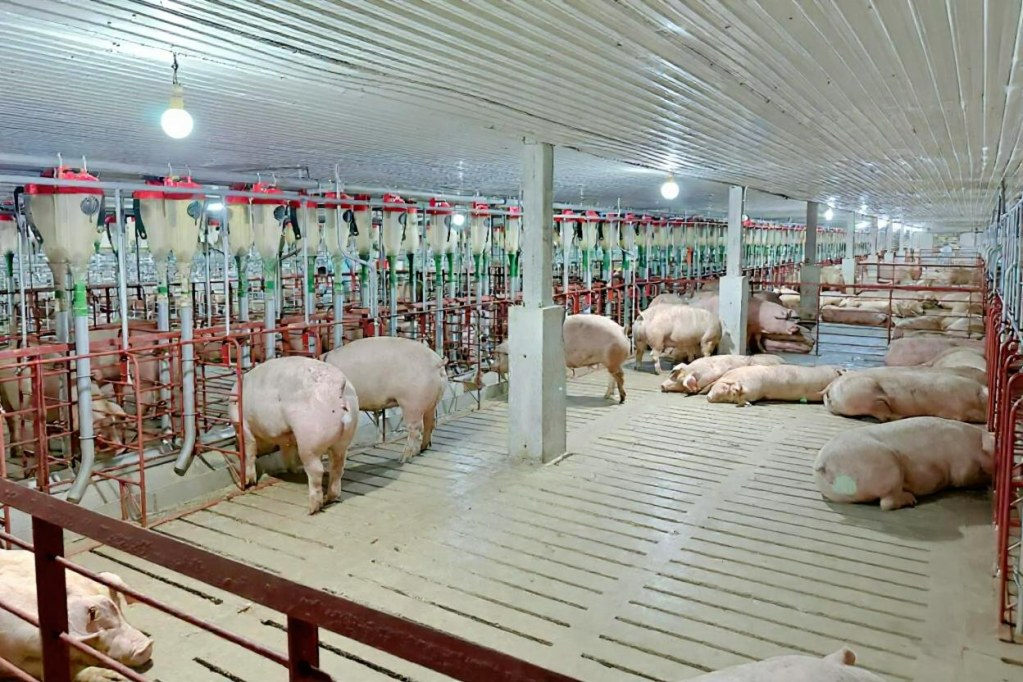
This model thoroughly evaluates the risks of miscarriage and the likelihood of sows accidentally crushing their piglets while leaving their pens. To tackle these challenges, the barn is undergoing a redesign, and a continuous monitoring system with automatic alert notifications is being implemented. As it stands, Mavin is successfully managing these risks, ensuring that they align with international farming standards.
Additionally, the model incorporates the Gestal system, which tailors feeding for each sow based on individual needs. This approach not only cuts down waste by 5-7% but also enhances the sows’ overall physical condition and stabilizes productivity levels.
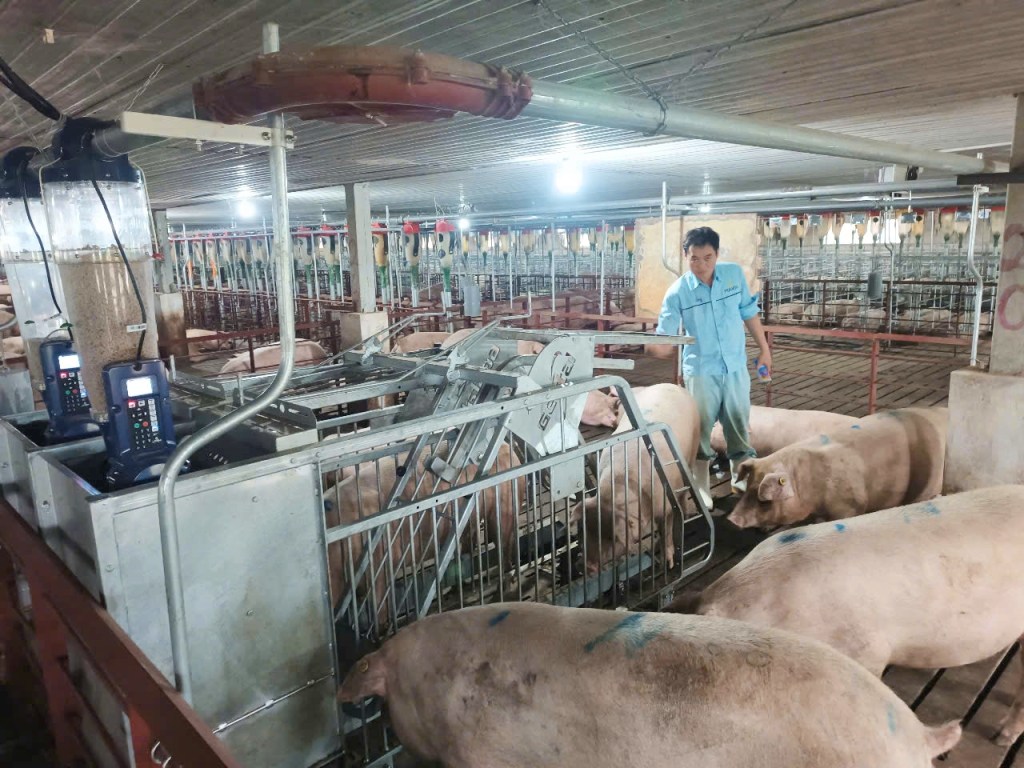
To further streamline operations, each sow is fitted with an ear tag for easy identification. This enables better tracking of feeding history and health, allows for early detection of any abnormalities, and facilitates timely adjustments to breeding and care plans.
Further optimization
Mavin began its group sow farming initiative in early May 2025. The company acknowledged that this new model comes with a host of challenges.
Firstly, group sow farming requires significant investment, particularly for ear tags and the automatic feeding systems. Additionally, expanding space for sows necessitates a larger farming area compared to conventional farming methods.
Perhaps the most daunting challenge lies in investing in staff training, adapting processes to fit the new model, and maintaining biosecurity in a farming setting where sows are kept together in a shared space with more frequent interactions among them.
Mr Whitehead stated, “Although initial investment costs may drive up expenses, we anticipate an overall improvement in the performance of the sows.” He also hinted that the company plans to expand its herd once they are confident that all aspects of the model are running smoothly.
Gaining market confidence
Facing challenges is a standard part of being a pioneer, and Mavin understands this well. “This is the crucial first step that prepares us to tackle demanding markets down the line,” stated Mr Whitehead.
The company aims to carve out a competitive advantage by building a high-quality pork brand that emphasizes humane practices. “This is our promise. We are committed to investing in sustainable and responsible development models,” Mr Whitehead emphasized.
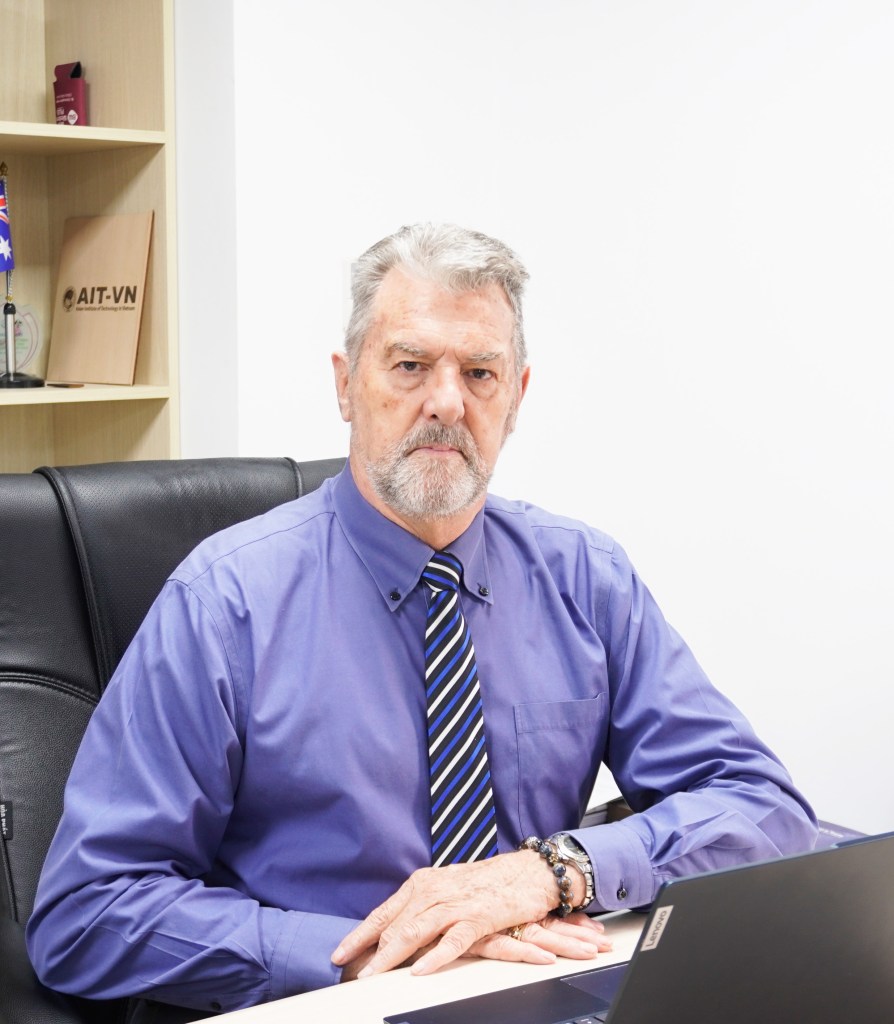
“In recent years, we’ve noticed a growing awareness among domestic consumers regarding the importance of clean, responsibly sourced, and ethically produced food. This shift in consumer attitude motivates us to invest significantly in humane livestock farming models, a concept that is gaining traction and capturing attention,” said Mr Whitehead.
The bigger picture
To boost its brand value, Mavin is dedicated to cultivating a humane pig farming ecosystem by expanding its model to more of its own and partner farms. “We will carefully evaluate its effectiveness over time and make any necessary tweaks to broaden its use across Mavin’s high-tech farms. A complete shift is possible if the model proves successful and gains consumer acceptance,” said Mr Whitehead. He highlighted that Mavin is keen to share best practices, offer technical training, provide technological support, and set standards for partner farms to embrace this humane approach, all in pursuit of a sustainable value chain.
To learn about humane farming, check out this article. It is an interesting interview with Humane World for Animals:
For insights into the issues associated with group sow farming, check out this article. It features a translation of Dr Jenifer Brown’s guidance on how group sow farming models relate to pig health: https://pigtalks.asia/2025/08/21/nuoi-nai-nhom-hieu-heo-de-tang-hieu-qua-mo-hinh/
 pigtalks.asia
Leave a comment